
Sagging skin is one of the most noticeable signs of aging. Over time, the skin gradually loses collagen and elastin, the natural proteins that keep it firm and resilient. As these supportive elements decline, facial tissues begin to shift downward, creating loose skin around the cheeks, jawline, and neck. Lifestyle factors such as sun exposure, stress, and natural aging can accelerate this process. In the middle of modern aesthetic discussions, Facelift in Dubai is often highlighted as a solution for individuals seeking to restore a firmer and more youthful facial appearance. A facelift procedure is designed to address the deeper structures beneath the skin rather than simply tightening the surface. By repositioning facial tissues and removing excess skin, the procedure helps restore smoother contours and reduce visible sagging. The result is a refreshed look that still maintains the individual’s natural facial expressions.
How a Facelift Improves Facial Structure
A facelift works by lifting and tightening the underlying muscles and connective tissues that support the face. As people age, these structures gradually weaken and descend, which contributes to drooping cheeks and the formation of jowls. During the procedure, surgeons carefully reposition these tissues to a more youthful position.
This process provides several benefits for individuals experiencing sagging skin:
- Lifting of drooping cheeks
- Reduction of loose skin around the jawline
- Improved definition of facial contours
- Smoother appearance of deep folds around the mouth
By addressing the deeper layers of the face, the results often look more natural and long-lasting compared to treatments that only target the skin’s surface.
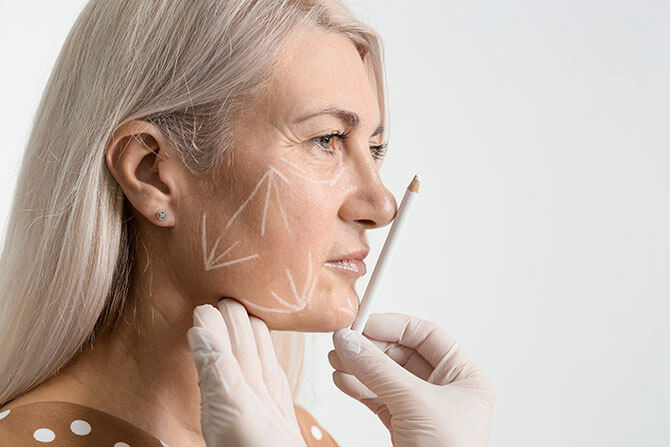
Areas of the Face That Benefit Most
Sagging skin can appear in multiple areas of the face, but certain regions are particularly responsive to facelift procedures. The cheeks and jawline are often the primary focus because they significantly affect facial balance and overall appearance. As tissues begin to descend, the lower face may look heavier or less defined.
A facelift can improve these areas by gently lifting them back into position. This adjustment restores youthful contours and creates a smoother transition between the face and neck. The neck area may also appear tighter because lifting the lower facial tissues often reduces the loose skin that contributes to a “double chin” or undefined jawline.
The Role of Skin Elasticity
Skin elasticity plays an important role in how effectively a facelift addresses sagging. Individuals who still have some natural elasticity in their skin often experience smoother and more refined results. The skin can adapt better to the repositioned facial tissues, allowing it to settle naturally into its new shape.
However, even people with more noticeable skin laxity may benefit from the procedure. The removal of excess skin combined with tissue repositioning helps create a balanced and rejuvenated appearance. The goal is not to stretch the skin tightly but to reposition it in a way that looks natural and harmonious.
A Natural Approach to Facial Rejuvenation
One of the biggest misconceptions about facelift surgery is that it drastically changes a person’s appearance. In reality, modern facelift techniques are designed to enhance natural beauty rather than create an artificial look. Skilled surgical approaches focus on restoring youthful contours while preserving the individual’s unique facial features.
The procedure aims to reverse some of the visible effects of aging rather than eliminate them entirely. Subtle lifting and contouring can make the face appear refreshed and more vibrant without altering expressions or personality.
Supporting Long-Term Results
While a facelift can significantly improve sagging skin, maintaining the results requires ongoing care. Healthy lifestyle habits play a major role in preserving the skin’s appearance after surgery. Sun protection, balanced nutrition, hydration, and proper skincare routines can help keep the skin looking firm and radiant for longer.
Patients are often encouraged to adopt gentle skincare practices that support collagen production and protect the skin from environmental damage. These habits contribute to long-lasting results and help maintain a youthful glow over time.
The Psychological Impact of Firmer Skin
Beyond the physical improvements, reducing sagging skin can also have a positive impact on self-confidence. Many individuals feel that sagging skin makes them look tired or older than they feel. Restoring smoother facial contours can help align outer appearance with inner vitality.
Feeling comfortable with one’s appearance often influences social interactions, professional confidence, and overall well-being. Facial rejuvenation procedures therefore serve not only aesthetic goals but also emotional and psychological benefits.
Achieving Refined and Balanced Results
People exploring facial rejuvenation often look for treatments that provide visible improvements without compromising natural beauty. Achieving the Best Facelift Dubai experience usually involves personalized treatment planning, advanced surgical techniques, and careful attention to facial harmony.
A well-performed facelift enhances facial structure while maintaining the individuality of each patient. Rather than appearing dramatically different, most people simply look refreshed, well-rested, and naturally youthful.
Conclusion
Sagging skin is a common part of the aging process, but modern cosmetic procedures offer effective ways to address it. A facelift works by lifting and repositioning deeper facial tissues while removing excess skin, resulting in smoother contours and improved definition. When combined with healthy lifestyle habits and proper skincare, the results can be both natural-looking and long-lasting. For individuals seeking a refreshed appearance and firmer facial structure, a facelift remains one of the most effective solutions for managing sagging skin.
